
YorkTest Laboratories Welcomes Step Forward for People With Ongoing Digestive and Fatigue Symptoms
For years, many people seeking help from a GP regarding health challenges such as bloating, fatigue, headaches and digestive discomfort have so often felt dismissed when they suspected that certain foods in their diet may be a concern and contributing to these symptoms.
At the end of last year, the NHS officially updated its guidance on food intolerance, recognising it as a condition and confirming that assessment may include blood testing, alongside structured elimination and re-introduction, symptom tracking and professional nutrition support. The updated guidance can be viewed at: https://www.nhs.uk/conditions/food-intolerance/.
The new guidance is incredibly significant for the many people who experience persistent ill health but struggle to identify which foods may be triggering it. According to the NHS, intolerance reactions often develop hours after eating. They may continue for prolonged periods, making patterns difficult to recognise and significantly affecting both physical and mental health, daily functioning, and overall quality of life.
Why food intolerance can be challenging to identify
Unlike food allergies — which usually produce an immediate reaction — food intolerance symptoms are often delayed and inconsistent. This means people may not react in the same way every time they eat the same food, making self-directed elimination diets challenging and frequently inconclusive.
The NHS therefore recommends a structured approach, including food and symptom diaries, careful elimination and re-introduction of foods, and support from qualified professionals — with blood testing now recognised as part of the assessment pathway when used responsibly and alongside expert guidance.
Where YorkTest fits — supporting a structured, safe approach
YorkTest is a long-established UK laboratory with more than 40 years’ specialist experience in food intolerance and allergy testing, operating from an ISO-accredited clinical laboratory in York.
YorkTest provides a home-to-laboratory blood-testing model, in which samples are analysed by qualified laboratory scientists and every test is supported by guidance from BANT-qualified Nutritional Therapists. This helps individuals take a safer, more targeted approach to elimination and reintroduction, rather than relying on guesswork or cutting out large numbers of foods without support.
YorkTest emphasises that its tests do not diagnose medical conditions. Instead, results are used to help signpost these potential trigger foods that may be linked to symptoms, which individuals can then discuss with a GP or nutrition professional as part of a structured plan.
“We welcome the NHS’s clearer recognition of food intolerance and its acknowledgement that blood testing can form part of a structured assessment pathway when used responsibly. Our role is to support people safely — through laboratory-analysed testing, professional nutrition support and careful elimination and re-introduction, rather than unsupervised self-diagnosis or broad food restriction.”
Jan Clementson, Head of Nutritional Science, YorkTest
How to test for Food Intolerances?
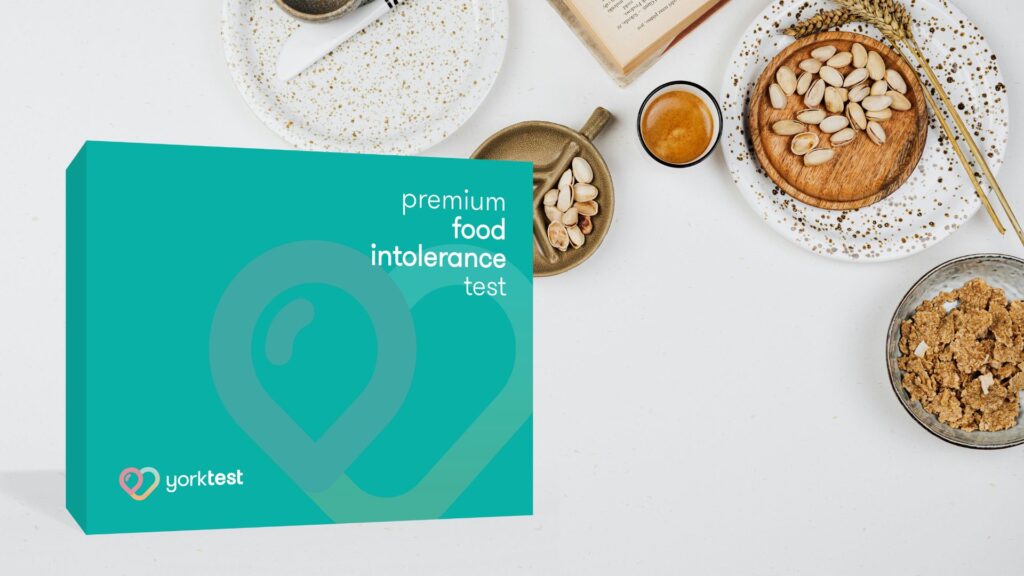
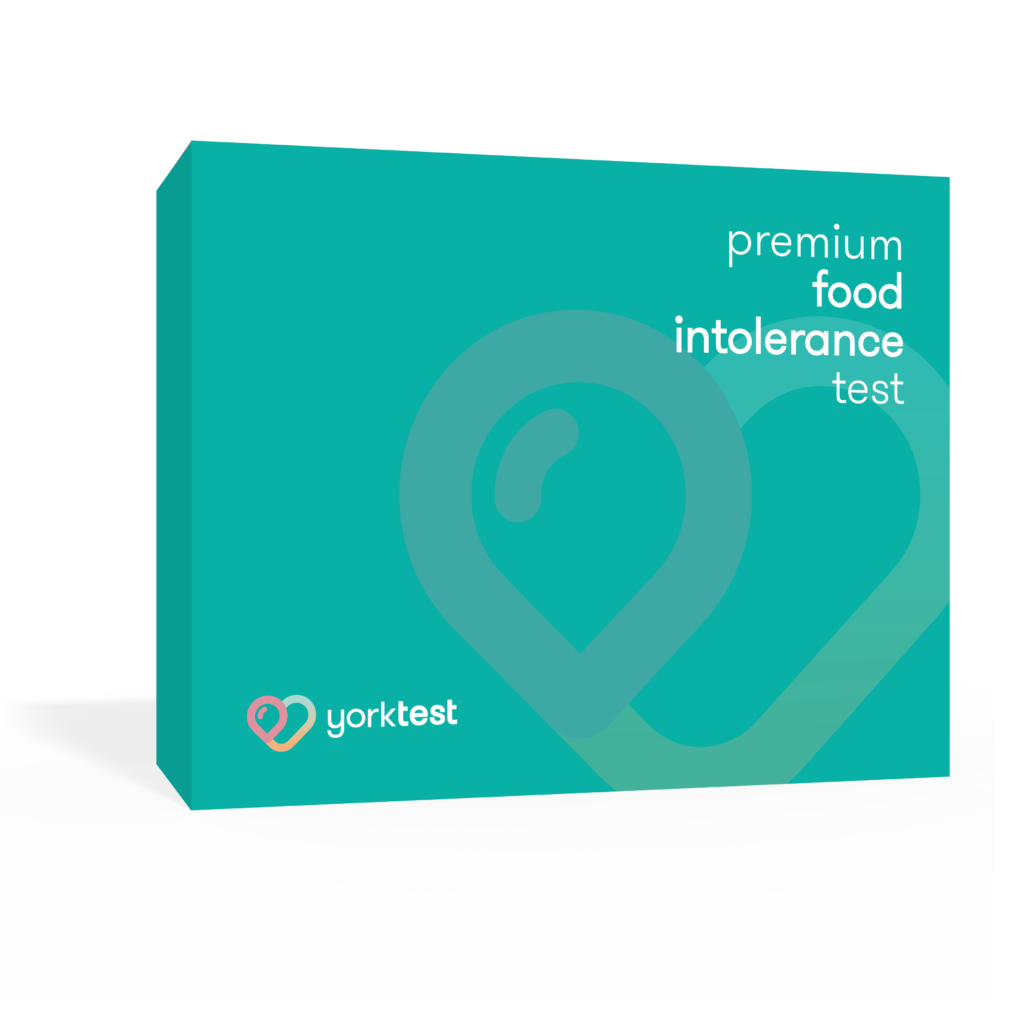
YorkTest offers the Premium Food Intolerance Test, a scientifically established food intolerance testing option. The test involves a simple finger-prick blood sample taken at home, which is returned via paid postage and analysed in YorkTest’s ISO-accredited UK laboratory, with results typically returned within 5–7 working days. It measures IgG antibody responses to 200 food and drink ingredients and is clinically overseen. The service includes a detailed results report and a consultation with a BANT-qualified Nutritional Therapist, who helps interpret the findings and guide appropriate elimination and reintroduction—priced at £199.00
Dr Naomi Newman-Beinart (PhD), Nutritionist & Health Psychology Expert, comments:
“Food intolerance can be incredibly challenging for people because symptoms are often delayed. You might eat a specific food and not feel unwell until hours later, or even the next day. Many people try elimination diets themselves, but without structure or professional support, this can become restrictive, confusing and emotionally draining and may still not lead to clear answers. YorkTest Laboratories offer simple and effective tests along with professional nutritional advice that help people take a positive step forward in identifying which foods may be contributing to their symptoms.”
Ends
For more information, please contact charlotte@goodhealthpr.com
About YorkTest Laboratories
YorkTest Laboratories is a UK-based specialist in food intolerance and allergy testing with over 40 years’ experience and an ISO-accredited laboratory in York. YorkTest provides home-to-laboratory blood testing, supported by professional nutritional guidance, helping individuals explore potential food-related triggers and make informed dietary decisions in a safe and structured way.
NOTES TO EDITORS — YorkTest FAQ & Alignment With NHS Guidance
Is the YorkTest Food Intolerance Test a blood test?
Yes — the YorkTest IgG Food-Specific Intolerance Test is a laboratory-analysed blood test.
Is YorkTest a ‘home test kit’?
No. YorkTest operates a home-to-laboratory model:
- Blood samples are collected at home
- Analysis is carried out by qualified scientists in an ISO-accredited laboratory
How does YorkTest’s approach align with NHS guidance?
YorkTest supports the NHS-recommended principles that food intolerance should be approached through:
- elimination and re-introduction, not guesswork
- using results to support a structured process, not as a diagnosis
- working with a qualified nutrition professional — every YorkTest test includes access to a BANT-qualified Nutritional Therapist consultation (free or paid depending on the product)
- not eliminating large numbers of foods at once — YorkTest recommends removing no more than one to three foods at a time, ideally one at a time, while monitoring symptoms
- using a food diary to track progress — supported via YorkTest’s Wellness Hub
- recognising that no test can diagnose food intolerance — YorkTest advises customers to discuss results with a GP or nutrition expert
- strongly advising that for children, no foods are removed without professional advice — all Junior Food Intolerance Tests include a Nutritional Therapist consultation and follow up support
What does the YorkTest testing show?
YorkTest identifies foods associated with elevated IgG antibody responses, providing signposting information to guide a safer, more targeted elimination plan.
What support comes with the test?
Customers receive:
- personalised results
- a Nutritional Therapist consultation
- structured guidance on elimination and reintroduction
- access to food-tracking tools via the YorkTest Wellness Hub
